

Grief :When the Heart Breaks , Grief is the multidimensional, natural response to loss—a profound emotional, physical, cognitive, behavioral, and spiritual reaction triggered when something or someone we love is taken away. It is not merely sadness; it is a holistic rupture in the fabric of existence.Grief :When the Heart Breaks. Read More About Grief.
| Home | click here |
| First Love:How To Care, 100 Practical Tips. | click here |
Grief :”When the Heart Breaks: Finding Strength in the Depths of Sorrow.

Grief is the multidimensional, natural response to loss—a profound emotional, physical, cognitive, behavioral, and spiritual reaction triggered when something or someone we love is taken away. It is not merely sadness; it is a holistic rupture in the fabric of existence.
“Grief is the price we pay for love.” – Queen Elizabeth II
Grief is not a disorder. It is proof of attachment, evidence of a heart that has dared to connect. It manifests as:
- Emotional pain: Sorrow, anger, guilt, anxiety, yearning
- Physical symptoms: Fatigue, headaches, appetite changes, insomnia
- Cognitive distortions: Disbelief, confusion, preoccupation with the lost
- Behavioral shifts: Withdrawal, restlessness, crying, searching
- Spiritual crisis: Questioning meaning, faith, or purpose
Grief is universal, yet uniquely personal. No two people grieve the same way, even for the same loss.
2. Grief Is Part of Being Human

“To be human is to grieve.”
Grief is woven into the human condition. From the moment we form bonds—parent to child, lover to lover, friend to friend—we become vulnerable to loss. The capacity to grieve is the shadow side of the capacity to love.
- Evolutionary purpose: Grief motivates us to maintain social bonds and protect loved ones.
- Cultural universality: Every society has rituals for mourning—funerals, wakes, shiva, Día de los Muertos.
- Developmental inevitability: We grieve lost childhoods, failed dreams, aging bodies.
Grief is not weakness. It is the echo of love in an imperfect world.
3. How Many Types of Grief Occur?
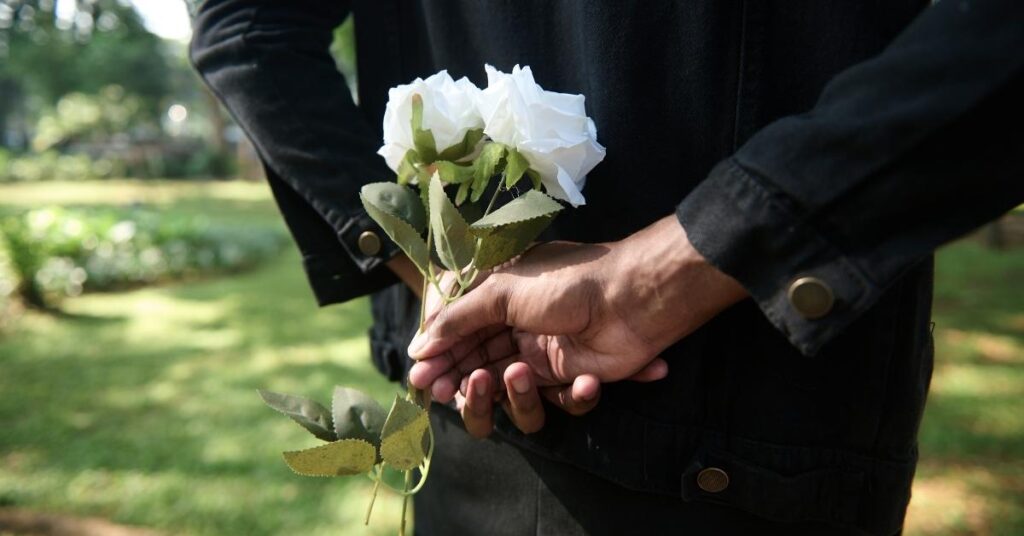
There are over 20 recognized types of grief, classified by trigger, timing, intensity, and expression. Below is a comprehensive list with definitions and real-life examples.
A. Normal (Uncomplicated) Grief
The natural, healthy response to loss that resolves over time.
| Type | Definition | Example |
|---|---|---|
| 1. Acute Grief | Intense, immediate reaction to loss | A mother sobbing uncontrollably at her child’s funeral |
| 2. Integrated Grief | Loss becomes part of life story without daily distress | A widow who smiles at her husband’s photo years later |
B. Complicated Grief Variants
| Type | Definition | Example |
|---|---|---|
| 3. Prolonged Grief Disorder (PGD) | Grief >12 months with intense yearning, identity disruption | A man unable to enter his late wife’s closet after 3 years |
| 4. Delayed Grief | Emotions suppressed, emerge later | A soldier numb during war, breaks down 10 years later |
| 5. Inhibited/Absent Grief | No outward signs despite significant loss | A CEO who returns to work the day after his mother dies |
| 6. Cumulative Grief | Multiple losses in quick succession | A nurse losing 5 patients in one month during COVID |
| 7. Disenfranchised Grief | Loss not socially acknowledged | Mourning a miscarriage, ex-spouse, or pet |
C. Anticipatory & Ambiguous Grief
| Type | Definition | Example |
|---|---|---|
| 8. Anticipatory Grief | Grieving before an expected loss | Family mourning a father with terminal cancer |
| 9. Ambiguous Loss | Loss without closure or clarity | A missing child, or parent with dementia (“living loss”) |
D. Secondary & Collective Grief
| Type | Definition | Example |
|---|---|---|
| 10. Secondary Loss Grief | Ripple effects of primary loss | Losing friends after a divorce |
| 11. Collective Grief | Shared mourning of a community | National grief after 9/11 or a school shooting |
E. Non-Death Grief
| Type | Definition | Example |
|---|---|---|
| 12. Relationship Grief | End of romantic/platonic bond | Heartbreak after a 20-year friendship ends |
| 13. Identity Grief | Loss of self-concept | A retired athlete grieving “who I was” |
| 14. Dream Grief | Death of aspirations | An artist whose career-ending injury ends her dreams |
| 15. Health Grief | Loss of bodily function | A dancer paralyzed from the waist down |
| 16. Financial Grief | Loss of security/stability | Bankruptcy after decades of building wealth |
F. Developmental & Existential Grief
| Type | Definition | Example |
|---|---|---|
| 17. Childhood Grief | Loss through a child’s lens | A 6-year-old whose dog dies |
| 18. Adolescent Grief | Complicated by identity formation | Teen grieving a parent while rebelling |
| 19. Midlife Grief | “What have I done with my life?” | Empty nest + career plateau |
| 20. Existential Grief | Loss of meaning/purpose | Atheist grieving the “death of God” |
G. Cultural & Traumatic Grief
| Type | Definition | Example |
|---|---|---|
| 21. Cultural Grief | Loss of heritage/language | Indigenous elder mourning dying traditions |
| 22. Traumatic Grief | Loss + sudden violence/shock | Survivor of a mass shooting |
| 23. Vicarious Grief | Empathic suffering for others | Therapist grieving with clients daily |
| 24. Historical Grief | Intergenerational trauma | Descendants of Holocaust survivors |
| 25. Climate Grief | Mourning planetary loss | Activist grieving coral reef bleaching |
4. How to Overcome Grief? (It’s Not About “Getting Over” – It’s About “Moving Through”)

You do not “overcome” grief like a hurdle. You integrate it.
The Dual Process Model (Stroebe & Schut)
Healthy grieving oscillates between:
- Loss-Oriented Activities
- Crying, talking about the deceased, visiting graves
- Restoration-Oriented Activities
- New hobbies, exercise, rebuilding routines
Evidence-Based Strategies to Move Through Grief
| Strategy | How to Apply |
|---|---|
| 1. Allow Emotions | Cry, scream, journal—no suppression |
| 2. Seek Support | Grief groups, therapy, trusted friends |
| 3. Create Rituals | Plant a tree, write letters, hold a memorial |
| 4. Maintain Self-Care | Sleep, nutrition, movement |
| 5. Find Meaning | Volunteer, honor legacy, spiritual practice |
| 6. Set Small Goals | “Today I will shower and eat one meal” |
| 7. Use Creativity | Art, music, poetry to express pain |
| 8. Accept Non-Linear Healing | Bad days don’t mean failure |
Therapies: CBT for Grief, EMDR (trauma), Complicated Grief Treatment (CGT), Meaning-Centered Therapy
5. Does Grief Make Us Strong or Weak?
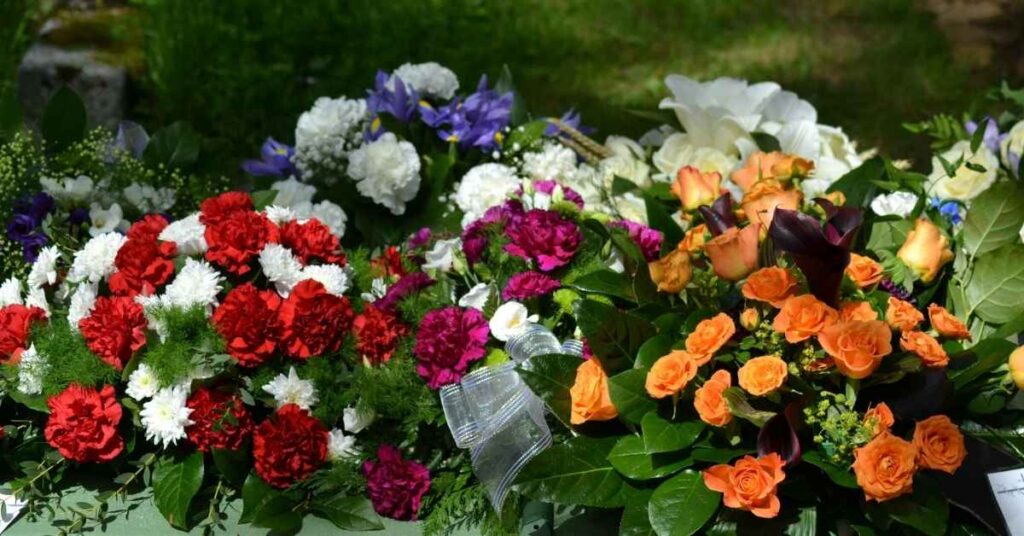
Grief does both— and that’s its paradox.
| Weakens | Strengthens |
|---|---|
| Drains energy | Builds empathy |
| Isolates | Deepens relationships |
| Shatters illusions | Forges resilience |
| Triggers despair | Sparks post-traumatic growth |
Research (Tedeschi & Calhoun) shows 60% of bereaved people report positive growth:
- Greater appreciation for life
- Stronger relationships
- New priorities
- Spiritual development
- Personal strength (“I survived this—I can survive anything”)
Conclusion: Grief is a crucible. It can break you—or remake you.
6. How to Manage Grief: A Practical 10-Step Framework

- Name the Loss – “I am grieving my mother’s death.”
- Feel Without Judgment – All emotions are valid.
- Tell Your Story – To a friend, therapist, or journal.
- Honor the Lost – Light a candle, play their song.
- Anchor in Routine – Wake up, walk, eat—even when you don’t want to.
- Connect – One text, one call, one hug at a time.
- Move Your Body – Walk, yoga, dance—grief lives in the tissues.
- Seek Professional Help if stuck >6–12 months.
- Find One Spark of Joy Daily – Coffee, sunrise, a meme.
- Reinvest in Life Gradually – New goals, not replacements.
7. 25 Reasons NOT to Surrender to Grief

Grief is a storm. You are the ship. Do not sink.
- Your loved one’s legacy lives in you – Honor them by living.
- You are not alone – Millions grieve daily and survive.
- Pain is temporary; love is permanent.
- Your future self is waiting – with wisdom you don’t yet have.
- Children/pets/friends need you – Your presence matters.
- You have survived 100% of your worst days so far.
- Grief is love with nowhere to go—redirect it.
- The world needs your unique light – even dimmed, it shines.
- You deserve to laugh again.
- Surrendering robs you of post-traumatic growth.
- Your story can help others – Your pain has purpose.
- Time does not heal—but meaning does.
- You are stronger than you feel right now.
- Giving up betrays the fight your loved one would want for you.
- There are sunsets you haven’t seen yet.
- Music, art, nature still exist to comfort you.
- Your body wants to heal – feed it, move it, rest it.
- Surrendering lets darkness win. Choose light.
- You are writing the next chapter—don’t end the book.
- Grief shared is grief halved.
- You are not your pain. You are the awareness of it.
- Hope is a verb—practice it daily.
- Your loved one’s love travels with you—always.
- The human spirit is designed to rise.
- Because one day, you will help someone else in this storm.
Epilogue: The Alchemy of Grief
Grief is not the end. It is the doorway.
“The wound is the place where the light enters you.” – Rumi
You will never be the same. But you can be whole again—scarred, wiser, deeper.
Grief does not ask you to forget. It asks you to remember—and keep going.